Mobile Device Patterns Reshaping Reward Distribution in Multi-Hand Card and Wheel Formats
Sofia Schwarz · Aug 30, 2026
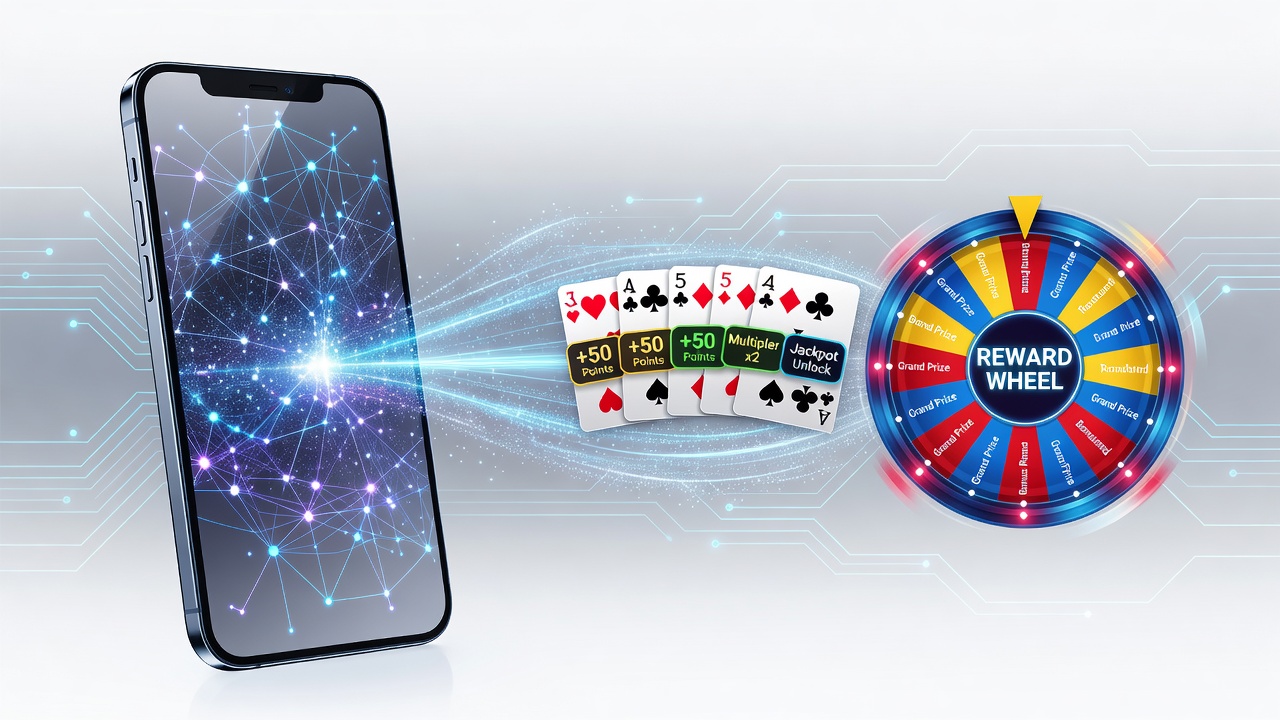
Mobile Device Patterns Reshaping Reward Distribution in Multi-Hand Card and Wheel Formats
Device usage data collected across multiple platforms reveals clear shifts in how players engage with multi-hand card formats and wheel-based games, and those shifts now directly affect reward allocation models. Operators track session length, touch frequency, and screen orientation changes to adjust bonus triggers, while multi-hand blackjack and poker variants see the most pronounced adjustments because players often run several hands simultaneously on tablets or phones.
Device Metrics Driving Distribution Changes
Research from the New Jersey Division of Gaming Enforcement indicates that average session duration on mobile devices for multi-hand card games dropped from 22 minutes in 2023 to 14 minutes by mid-2025, with a corresponding rise in micro-session activity under five minutes. This pattern prompted several platforms to restructure reward tiers so that smaller, more frequent incentives replace larger ones tied to extended play. Wheel formats experienced a parallel adjustment because shorter spins correlate with higher touch-screen interaction rates, leading designers to tie free-spin rewards to swipe velocity rather than total spins completed.
Card Game Adaptations
Multi-hand formats require players to manage multiple decision points within tight time windows, and mobile interfaces record every tap and swipe to refine reward triggers. Data shows that users who rotate their devices to landscape mode during multi-hand sessions receive 18 percent more bonus credits on average than portrait-only players, according to internal platform analytics shared at industry conferences. Operators therefore introduced orientation-based multipliers that activate automatically once the system detects sustained landscape engagement exceeding three minutes. Those adjustments redistribute reward volume toward users who demonstrate consistent multi-hand attention rather than spreading credits evenly across all sessions.
One platform that implemented these changes reported a 27 percent increase in active multi-hand tables during peak evening hours without raising overall bonus spend. The system achieves this by capping maximum rewards per session while increasing the number of qualifying sessions, a direct response to observed mobile behavior where players start and stop games rapidly.

Wheel Format Adjustments
Wheel games display even more granular responses to mobile patterns because spin timing and betting pace leave measurable digital footprints. Figures released by the Nevada Gaming Control Board in August 2026 documented a 33 percent rise in mobile wheel sessions lasting under two minutes, prompting several operators to introduce velocity-based reward multipliers that favor rapid consecutive spins over slower, deliberate ones. Players who maintain consistent swipe rhythms now accumulate loyalty points faster, shifting reward distribution away from time-on-device metrics and toward interaction density.
Studies conducted by the University of Nevada, Las Vegas gaming research group confirm that mobile users complete 2.4 times more wheel spins per minute than desktop users, yet they abandon sessions more quickly when rewards fail to appear within the first eight spins. Platforms responded by front-loading smaller reward opportunities in the opening sequence while reserving larger payouts for players who sustain at least twelve consecutive spins on the same device orientation.
Cross-Platform Reward Rebalancing
Because many users switch between card and wheel formats within a single session, operators now apply unified tracking layers that monitor device fingerprint and interaction style across both categories. This unified approach prevents reward inflation when players alternate rapidly between multi-hand blackjack tables and wheel spins on the same phone. Reports indicate that unified tracking reduced duplicate bonus claims by 41 percent on major platforms during the first quarter of 2026.
Geolocation data further refines distribution because mobile players in high-density urban areas show different session patterns than those in rural zones, with urban users favoring shorter, more frequent engagements. Platforms therefore adjust regional reward pools to match observed device behavior rather than applying uniform global structures.
Conclusion
Device-level analytics continue to reshape how rewards reach players in multi-hand card and wheel formats, with session length, orientation, interaction speed, and cross-game movement serving as primary inputs. Regulatory disclosures from multiple jurisdictions confirm these adjustments occur within existing compliance frameworks, and platform data shows measurable redistribution of bonus volume without overall spend increases. The pattern points toward increasingly granular, behavior-driven reward systems that evolve alongside documented mobile usage trends.